
In South Australia, dividing fences are dealt with by the Fences Act 1975 (SA). Where neighbours do not agree on fencing work and its cost, the Law Handbook says the Act’s notice procedure is “the only legal method” to have the neighbour contribute: a written notice is served, and the neighbour has 30 days to serve a cross-notice objecting. This note quotes the Act, the Legal Services Commission’s Law Handbook and its Fences and the Law booklet. It is not legal advice.
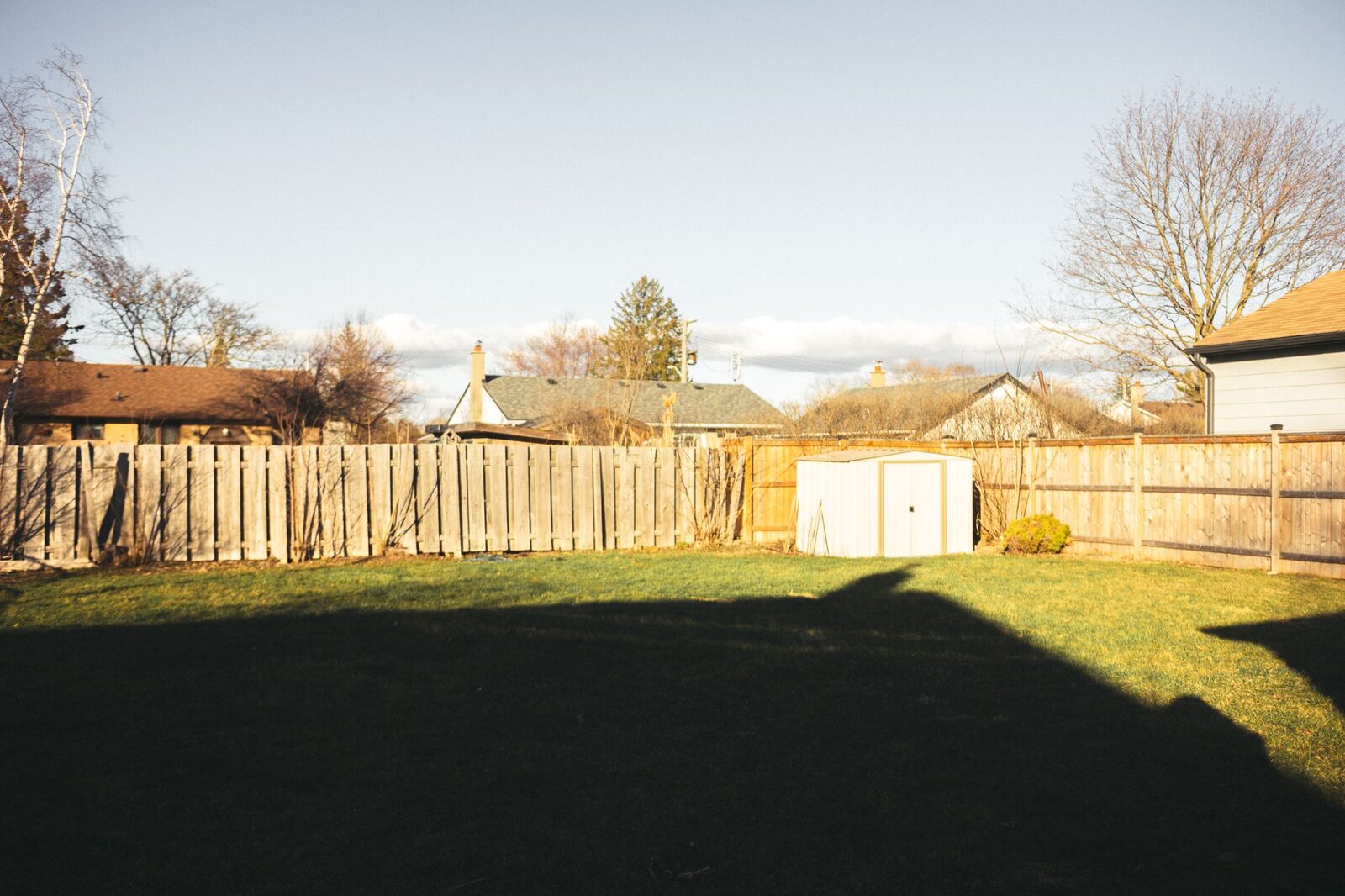
Why does building a house involve the dividing fence?
The Law Handbook’s page on building work lists fences among the related legal requirements, and says: “Fencing is often not considered when building a new home or renovating. However, it is important to understand the legal processes involved in replacing a fence”. Consumer and Business Services’ January 2025 consumer guide says to “Consider the cost of fencing when working out a budget for building a new home.”
Under section 4 of the Fences Act 1975 (SA), “fencing work means the erection of a new dividing fence, or replacement, repair or maintenance work in relation to an existing dividing fence”, and a dividing fence is “a fence dividing contiguous land of adjoining owners”.
The Handbook also states: “There is no general legal obligation to fence land or to repair an existing fence”, and that the Act “provides a procedure for resolving fencing disputes and obtaining contributions from neighbours who benefit from a fence.”
Is consent needed to remove a boundary fence for building work?
The Law Handbook says that even an owner prepared to pay for a new fence “should still get the permission of your neighbour to remove any existing fence. This is because once a fence is erected, it is jointly owned by both neighbours and should not be damaged or removed without the consent of the other”, citing Matthews v Christie [2001] SADC 9. Its cost-sharing page adds that an owner intending to remove or alter an existing fence “should have your neighbour’s permission or, failing that, a court order.”
A building wall is treated differently. The Handbook states: “A wall to a building that is located on the boundary is not a fence, even though it may serve as one. A boundary wall remains the sole property of the building owner and any dispute about it cannot be dealt with under the Fences Act procedure.”
Entering the neighbour’s land is a separate question. Section 18 of the Act allows entry for authorised fencing work but, except in an emergency, only after written notice of the intended entry has been served “at least two days before the land is entered”.
What is a fence notice in SA?
Where neighbours agree on the work and the cost, the Handbook says they “do not have to follow the procedure under the Fences Act 1975 (SA)”, but that it is wise to make a written agreement signed by both. Where they do not agree, it calls the notice procedure “the only legal method if you want to erect, repair or replace a boundary fence and you want your neighbour to contribute to the cost but they do not agree.”
For a new fence, section 5(2) requires a notice in Form No 1 stating the length and position of the proposed fence; its nature; an estimate of its cost; the amount sought from the adjoining owner; where the fence line encroaches into the adjoining owner’s land, whether compensation for loss of occupation is proposed and how much; and the name and address of any contractor or other person who will erect it.
For replacement, repair or maintenance of an existing fence, section 5(4) requires a notice in Form No 2 stating the nature and location of the work, its cost, the amount sought from the adjoining owner, and the name and address of any contractor or other person who will do it.
Section 19 requires a notice to be signed and served “personally or by registered post”. The Fences and the Law booklet says leaving it in a mailbox, putting it under the door or sending it by ordinary post “does not count, even if your neighbour actually gets it.”
How long does a neighbour have to respond to a fencing notice?
Thirty days. Under section 6(1), an adjoining owner who objects to any of the proposals “may, within thirty days after the service of the notice, serve a cross-notice upon the proponent”, in Form No 3. Section 6(4) says it is not necessary to give a reason for an objection. Where the cross-notice contains counter-proposals, the proponent has thirty days to serve a written objection to them (section 6(3)).
Section 7 provides that a person who does not object in accordance with the Act “shall be deemed to have agreed to the proposal or counter-proposal.”
Under section 8(1), the proponent may proceed after thirty days if no cross-notice is served, or, if one is, after agreement or a court decision. Section 8(2) provides that no contribution is recoverable for work done before that point, except as otherwise provided in the Act. The Handbook describes Jackson and Jackson v Takacs, where owners who built without waiting the thirty days “were not able to recover any money for the fence”.
Section 16(1), which applies “Subject to this section”, is one exception: where a dividing fence is damaged or destroyed and there is an urgent need to repair it, either owner may do the work without notice and recover the lesser of half the cost or the amount the other would contribute if the fence were replaced. Section 16(3) excludes recovery for fencing work that repairs damage resulting from the claimant’s own wrongful act or default.
How is the cost of a dividing fence shared?
The Handbook states that a neighbour “has no legal obligation to contribute to the cost of fencing work unless they have agreed to pay or the Fences Act 1975 (SA) procedure has been followed, or urgent repairs are required.”
Where the court decides a dispute, section 12(6) presumes, “in the absence of proof to the contrary”, that adjoining owners derive equal benefit from the fencing work. Section 12(7) addresses erecting an adequate or better fence, or converting an existing fence into one. Without agreement, the contribution is “one-half of the minimum cost of erecting an adequate fence, or converting the existing fence into an adequate fence”.
Outside the primary production case in section 12(8)(aa), section 12(8)(a) provides that an adequate fence is one that “conforms with general standards of good fencing existing in the locality” and is adequate for the purposes of the owner from whom contribution is sought. The Handbook says an owner who wants “a better than adequate” fence, where the neighbour is happy with an adequate one, “will have to pay the difference in cost between the two options.”
Under section 4, cost can include “the cost of any survey that is reasonably required”, any work reasonably required to facilitate the fencing work, and a reasonable allowance for an owner’s own labour.
What happens if the neighbour objects to the fence?
The Fences and the Law booklet lists four options where the procedure does not produce agreement: negotiate with the adjoining owner, contact a community mediation service, apply to the local Magistrates Court for a decision, or not proceed with the fencing work.
The Handbook says either owner can seek an order from the Magistrates Court and that, generally, the matter is heard in the Minor Civil Claims Division, “where parties represent themselves unless both agree to have lawyers present”.
Section 12(2) gives the court a wide set of powers, including decisions on whether a fence is erected, its nature and line, who does the work and when, entry onto land, removal of a fence not on the proper boundary, and the cost and the proportions in which it is borne.
On objections based on cost, the Handbook says: “A court will not reject a reasonable fencing proposal simply because a neighbour cannot afford it.” It also says the court can order payment by instalments. For free legal advice, the Handbook gives the Legal Services Commission’s number, 1300 366 424.
Does a new fence need council approval, and where does it go?
The Handbook states that “Brick (masonry) fences over one metre high and all other fences over 2.1 metres high (except post and wire fences) will generally require development approval from the local council”, and that fences near road intersections and around swimming pools generally need approval too. It adds: “Some areas have special regulations, so check with your council before starting any work.” Consumer and Business Services’ January 2025 guide states that council approval “is usually needed to build a masonry fence higher than one metre, or any other type of fence higher than two metres, measured from the lower side.” The council confirms what applies at a particular address.
On position, the Handbook says that “Normally, a dividing fence should be erected on the boundary”, and that “Generally, if a fence is not on the proper boundary, it does not change the ownership rights to the land.”
A retaining wall is also treated separately. The booklet states that while a retaining wall can serve as the footing for a fence, “the wall itself is not considered to be a fence and is covered by different laws.”
Common Questions
What is the Fences Act notice procedure in South Australia?
Under the Fences Act 1975 (SA), an owner proposing a new dividing fence serves a notice in Form 1, or for replacement, repair or maintenance a notice in Form 2, on the adjoining owner, personally or by registered post. The adjoining owner may serve a Form 3 cross-notice within 30 days. If no objection is served, section 7 deems the proposal agreed. The Law Handbook says neighbours who agree on the work and cost need not use the procedure.
Does a neighbour have to pay half of a dividing fence in SA?
Only in certain circumstances. The Law Handbook of South Australia says a neighbour has no legal obligation to contribute unless they have agreed, the Fences Act 1975 (SA) procedure has been followed, or urgent repairs are required. In a dispute, section 12(6) presumes equal benefit. For erecting an adequate or better fence, or converting an existing fence into one, section 12(7) provides that, absent agreement, the contribution shall be one-half of the minimum cost of erecting an adequate fence or converting the existing fence into an adequate fence, as applicable.
How long does a neighbour have to object to a fence notice in SA?
Section 6(1) of the Fences Act 1975 (SA) gives the adjoining owner thirty days after service of the notice to serve a cross-notice, and no reason has to be given. The Law Handbook records that an owner who starts work before the thirty days end, without the neighbour’s agreement, loses the right to recover the cost from the neighbour, describing the case of Jackson and Jackson v Takacs. The Handbook separately describes urgent repairs under section 16, where work may proceed without notice and a contribution may be recoverable.
Can an existing boundary fence be removed for building work without the neighbour’s consent?
The Law Handbook of South Australia says an owner intending to remove or alter it should have the neighbour’s permission or, failing that, a court order, because a fence on the boundary is jointly owned. It says a neighbour who removes a fence without consent, or without following the Fences Act procedure, may be liable to compensate the other owner.
Does an owner have to paint the neighbour’s side of a dividing fence in SA?
The sources read for this note do not answer that. The Fences Act 1975 (SA), as consolidated at 22 June 2023, does not mention painting, and the Law Handbook’s fence pages and the Fences and the Law booklet do not address it. Separately, the Handbook states that “A fence is a joint asset of both adjoining owners – regardless of who paid for it.” A question about a particular fence is one for legal advice.
Sources
- Fences Act 1975 (SA), version 22.6.2023 — sections 4–9, 12, 16–20 (archived copy, 17 March 2025)Accessed 2026-11-10
- Law Handbook (Legal Services Commission of SA) — Fences (Last Revised 21 January 2025)Accessed 2026-11-10
- Law Handbook — Sharing costs between neighbours (Last Revised 21 January 2025)Accessed 2026-11-10
- Law Handbook — Fences: Disputes (Last Revised 21 January 2025)Accessed 2026-11-10
- Law Handbook — Common questions about fences (Last Revised 23 January 2025)Accessed 2026-11-10
- Law Handbook — Boundary Location (Last Revised 21 January 2025)Accessed 2026-11-10
- Law Handbook — Other Considerations related to Building Work (Last Revised 17 December 2021)Accessed 2026-11-10
- Legal Services Commission of SA — Fences and the Law booklet (December 2023)Accessed 2026-11-10
- Consumer and Business Services — Building, extending & renovating a home: A consumer guide, January 2025, p22 (archived copy, 27 November 2025)Accessed 2026-11-10
This page describes these sources as they stood on the access dates above. It is not legal advice about any particular property.
Planning a rebuild or new build in Adelaide? Start with a free initial consultation.