Before the drawings
Several homes on one block: the front end decides it.
Can the block take several homes? Does the house on it now come down first? Which approvals apply, and in what order? How are several dwellings sequenced on one site? The part that decides how the project goes is the order those questions are worked through.
The pathway
Four steps, in order.
Before each step begins, scope, dependencies and the next move are set out. The same six-stage delivery process runs underneath — a multi-dwelling build carries it across several homes at once.
Feasibility — what the block can carry
We start with the site: its conditions, the zone and overlays that apply to the address, and what has to be settled before anything else. This is the gate that decides whether to keep going.
See how we build →Demolition, land division and approvals
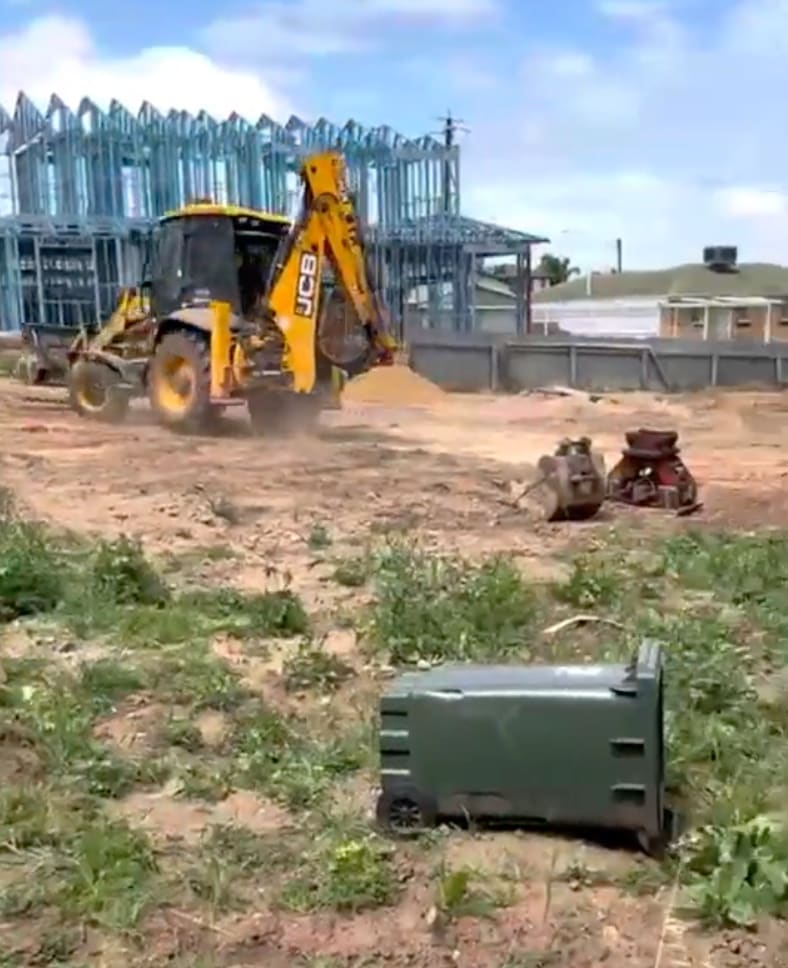
Where a house stands on the block now, its removal is part of the pathway. Demolition and land division are services we provide. Whether the block can be divided, and into what, is decided through the planning and land division approvals for that site, and that path is settled before a design depends on it.
Land division: who decides it →Several homes, one site
Trades are sequenced across every dwelling on the site rather than one house at a time, and structural inspections are scheduled at footing, frame, lock-up and handover. What the homes share, such as walls between dwellings, driveways and access, is resolved across the whole site.
See site management & inspections →Delivery, dwelling by dwelling
Each dwelling is handed over with its own documented handover pack — inspection records, defects liability information, manuals and a named aftercare contact.
See handover →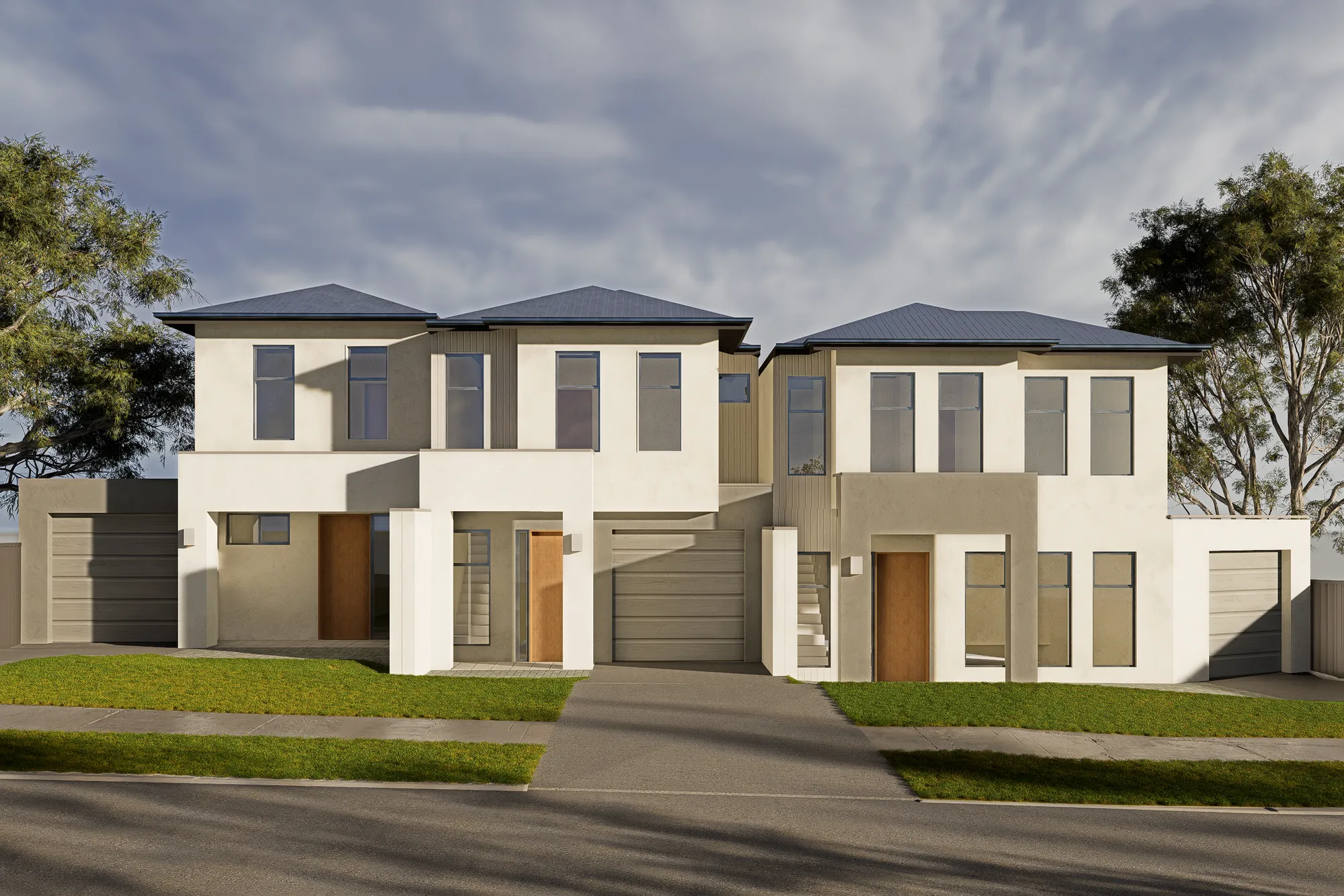
Where risk is controlled
Four gates, not a promise.
Risk on a multi-dwelling project is not removed by a promise. It is managed by a written record and a scheduled check at each gate.
Feasibility gate
Stop if the block will not support the number of homes in mind. That is a finding, not a failure.
Approval gate
Settle the land division and approval path before committing to a design that depends on it.
Build gate
Sequence trades across every dwelling and check structure as the work progresses.
Delivery gate
Document each dwelling’s handover so what was built is recorded, not remembered.
Several homes on one block
Multi-dwelling project records.
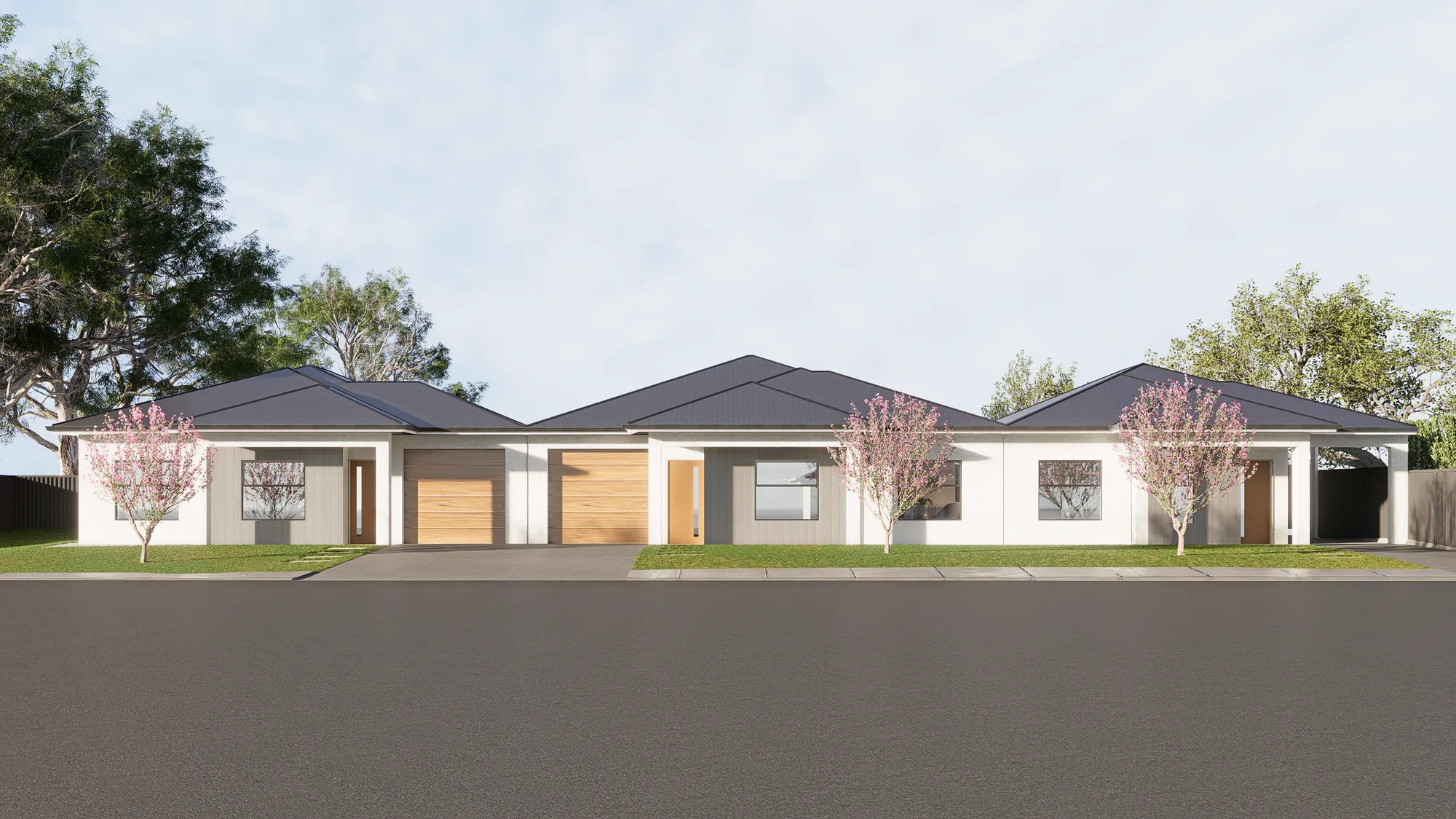
Each is a project record on this site: the street and suburb, and how many homes the block carries.
Graham St, Para Hills SA 5096
An established 1960s allotment, its original dwelling demolished, for three new homes.
Project record →Tepko St, Gepps Cross SA 5094
Three new homes on one site, sequenced as one delivery.
Project record →Malone St, Morphett Vale SA 5162
Three new homes, with one standard carried across all three.
Project record →Gordon Ave, Clearview SA 5085
Three contemporary homes on one block.
Reference notes
Common questions
What people ask before building several homes on one block.
Can my block take more than one home?
That is established for a particular block rather than assumed: its size and shape, the zone and overlays that apply to the address, and what the site conditions allow. It is the first step of the pathway, and if the block will not support several homes, that is the finding.
Does Cyberidge handle the demolition and the land division (subdivision)?
Demolition and land division are services Cyberidge provides. Whether a block can be divided, and into what, is decided through the planning and land division approvals for that site, not by the builder.
Can the existing house come down so the block takes several homes?
Demolition is a service Cyberidge provides. Whether a particular house can come down, and which approvals that involves, depends on the address, and it is established in the first step rather than assumed. The Graham St, Para Hills record began with the original 1960s dwelling on the block.
What is different about building three townhouses on one block?
Elements that a single house keeps to itself are shared or repeated across the site: walls between dwellings, driveways and access, and the services that reach each home. Trades are sequenced across every dwelling rather than one house at a time, and structural inspections are scheduled at footing, frame, lock-up and handover.
Is each home handed over separately?
Each dwelling is handed over with its own documented handover pack: inspection records, defects liability information, manuals and a named aftercare contact.
Got a block in mind?
Start with the feasibility conversation.
Tell us the address and how many homes you have in mind. The first conversation is a free initial consultation, and feasibility is the first step of the process — not a quote you have to commit to.