
Where a new sewer connection is needed for a new house in Adelaide, SA Water provides the connection from the wastewater main into the allotment, and a licensed plumber connects the internal drains. Where a block already has a connection, SA Water and the plumber confirm whether it can be used or needs alteration. For a new metered drinking water connection, SA Water’s fact sheet places the meter 0.5 to 0.6 metres inside the property boundary. This note sets out what SA Water’s pages say about finding the connection point, applying, and the plumber’s part.
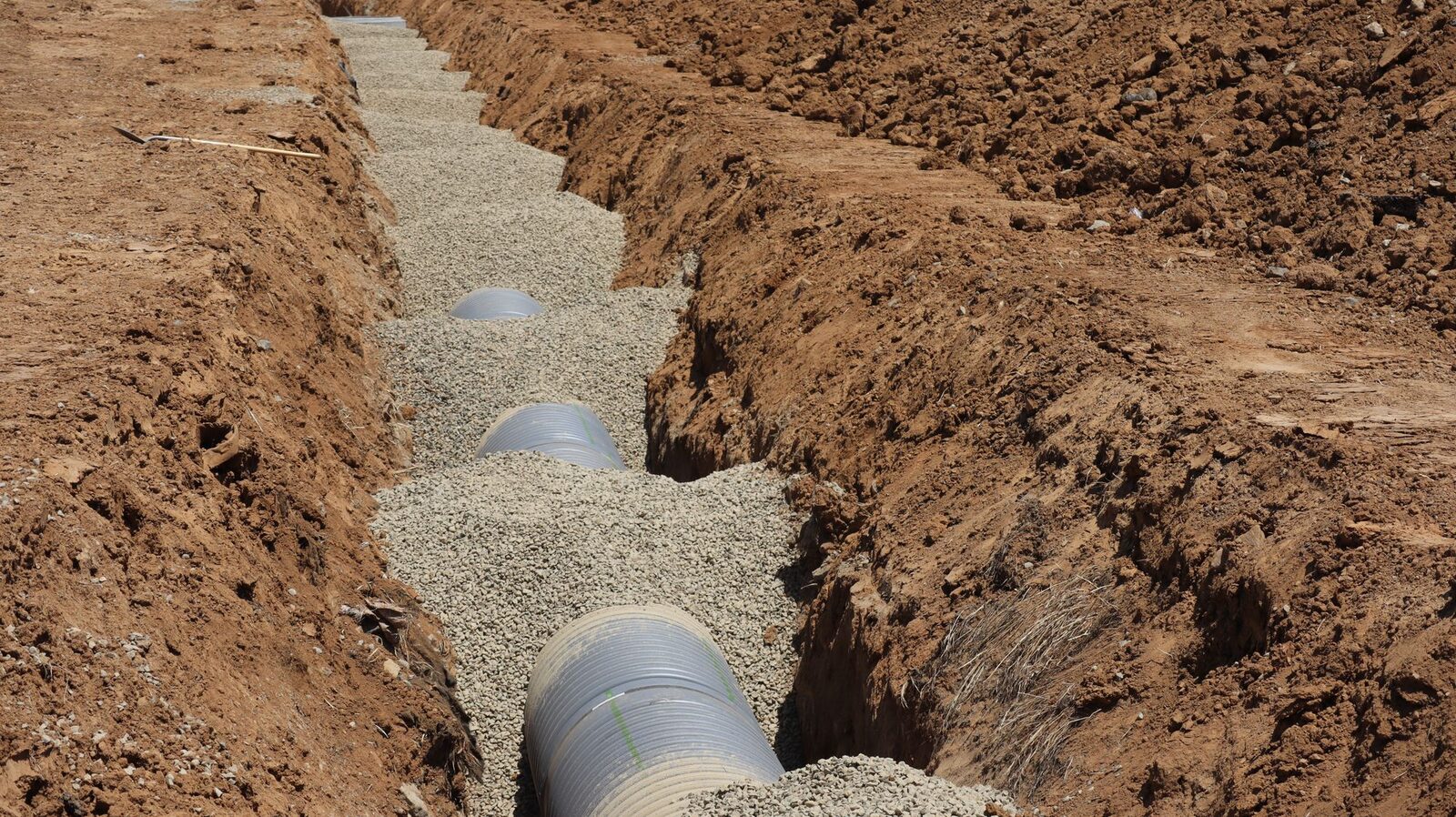
Sewer connection for a new house: what SA Water and the plumber each do
SA Water states that its Connections team connects “our own services to South Australian properties with available connections”: drinking water, recycled water, sewerage and water for fire services. Its Wastewater Connection fact sheet then draws the line: “A licensed plumber must undertake the work of connecting internal drains to our wastewater connection.” SA Water’s page on connecting and disconnecting services says that when a connection project is finished, “you may need to engage a qualified plumber to connect your internal pipework.”
On connection size, SA Water’s application checklist states that sewer connections come in 100 mm, 150 mm and larger sizes, that the size “will be determined by the number of fixture units within the property”, and that “The size for a standard house is 100mm.” Larger sizes are subject to approval.
The same fact sheet adds: “When the work is completed, it is an SA Water requirement for the licensed plumber to submit a property wastewater as-constructed plan.” That sentence comes from an undated fact sheet about new wastewater connections; whether and how it applies to a particular job is a question for SA Water and the plumber.
Sewer peg out and the sewer connection point
The SA Water pages read for this note do not use the term “peg out”; they describe the connection point and its position. The position and depth of the sewer connection can affect the drain route and, depending on the design, the floor level; the hydraulic designer and plumber work this out for the particular site. Schedule 8 clause 4(1)(a)(v) of the Planning, Development and Infrastructure (General) Regulations 2017 requires the site plan lodged with an application for building consent to show “the method of drainage and services proposed to be used”.
SA Water’s application checklist makes the Connections Estimator Map step 1. SA Water describes it as a way to estimate “where a connection point may exist on your property” and says its information is an estimate provided as a guide only. Its FAQ adds that the map does not show the depth of sewer connections, and that specific details, including sewer depth, require a completed application.
The map therefore indicates where to look; it is not a survey of the junction.
Who applies for the SA Water sewer connection: builder or owner
SA Water’s checklist states that a person is eligible to complete a connections application if they are “the owner of the property” or “a person authorised by the owner of the property”, and that SA Water communicates with whoever submits the application.
Its FAQ for new homes says that a person building in a new development should check whether the builder has applied for a new water and sewerage connection as part of the build contract, and “If it is not part of your build contract, you will need to apply for a new connection yourself.”
What the SA Water connection application asks for
The application checklist runs in seven steps: use the Connections Estimator Map; identify the connection type and size; review the site for obstructions and hazards; review additional requirements; estimate fees and charges; collect supporting documents; and check contact details.
The supporting documents it lists include where the new or altered connection is wanted and “the distance in meters from either side boundary”, and a site plan of where SA Water is to build the service. The Wastewater Connection fact sheet says that if a nominated position “is not technically possible, the position will be determined by SA Water”, and that without a nominated position “the default position will apply”.
Fees are set by SA Water and published on its fees and charges page. The checklist states that a connection is considered non-standard where difficult construction conditions exist or the connection from the main is greater than 12 metres, and SA Water’s connections page also lists a connection depth of 3.0 m or deeper as a trigger for additional cost.
The water meter and metered drinking water connection
SA Water’s Metered Drinking Water Connection fact sheet lists water connection sizes of 20, 25, 40 and 50 mm and larger, subject to approval, and states: “If you are building a new dwelling, a licensed Plumber is usually required.” It suggests contacting a plumber, if required, to arrange the water connection from the meter to the house.
On position, the fact sheet says the applicant supplies a plan showing where the meter is required, that “The default position of 0.4 metres from a side boundary will apply”, and that “All meters are laid between 0.5 metres and 0.6 metres inside the property boundary.” It asks applicants to advise of obstructions such as large trees, stobie poles, electricity or gas boxes and brick letter boxes.
Sewerage connection for a knockdown rebuild
Where the block being rebuilt already has services, SA Water’s page on altering or relocating a connection states: “If you plan to build or do any alteration work on your property, you need to tell us if the work will impact on any of our services before work starts.” Building a new house is the first example it lists. The same page asks that Before You Dig Australia be told when and where digging is planned.
The Wastewater Connection fact sheet distinguishes a new connection from the main from “connection to an existing wastewater connection on your property”, which carries an application fee. SA Water’s altering page states that, for an application to alter an existing service, it checks with Before You Dig Australia as part of its assessment. Whether the existing connection suits the new layout is a question for SA Water and the plumber.
The plumber’s certificate at the end
SA.GOV.AU’s page on certificates of compliance states that plumbers must give an electronic certificate of compliance for “pipework and fixtures from the mains water supply or sewer” and for “sanitary plumbing and drainage”. The certificate is issued to the customer and confirms that the work has been tested, is safe and meets the Australian Standards.
Common Questions
Who connects a new house to the SA Water sewer?
SA Water builds its own connection from the main to the property. Its Wastewater Connection fact sheet states that “A licensed plumber must undertake the work of connecting internal drains to our wastewater connection.”
Can I rely on the SA Water connections map to find my sewer connection point?
SA Water describes its Connections Estimator Map as an estimate provided as a guide only, and its FAQ states that the map does not show the depth of sewer connections. SA Water says specific details, including sewer depth, require a completed connection application.
Does the builder or the owner apply for a new SA Water sewer connection?
SA Water’s checklist says an application can be made by the owner or by a person authorised by the owner. Its new-home FAQ says to check whether the builder has applied as part of the build contract, and that if it is not part of the contract the owner will need to apply.
What size is a sewer connection for a house in South Australia?
SA Water’s application checklist states that sewer connection size is determined by the number of fixture units within the property and that “The size for a standard house is 100mm.” Sizes of 150 mm and larger are subject to SA Water approval.
Where does SA Water put the water meter on a new block?
SA Water’s Metered Drinking Water Connection fact sheet (2020) says the applicant supplies a plan showing where the meter is required, that a default position of 0.4 metres from a side boundary applies otherwise, and that all meters are laid between 0.5 and 0.6 metres inside the property boundary. The current position is confirmed with SA Water.
Sources
- SA Water — Apply for and track connections (Wayback Machine snapshot, 28 May 2026)Accessed 2026-10-19
- SA Water — Application checklist (Wayback Machine snapshot, 18 April 2026)Accessed 2026-10-19
- SA Water — Altering or relocating an existing water or sewerage connection (Wayback Machine snapshot, 18 April 2026)Accessed 2026-10-19
- SA Water — Connecting and disconnecting our services (Wayback Machine snapshot, 7 March 2026)Accessed 2026-10-19
- SA Water — Connections estimator map and sewer information FAQ (Wayback Machine snapshot, 13 March 2026)Accessed 2026-10-19
- SA Water — Wastewater Connection fact sheet (PDF, Wayback Machine snapshot, 31 December 2025)Accessed 2026-10-19
- SA Water — Metered Drinking Water Connection fact sheet (PDF, Wayback Machine snapshot, 31 December 2025)Accessed 2026-10-19
- Planning, Development and Infrastructure (General) Regulations 2017 (SA), version 17.9.2026 — Schedule 8 clause 4Accessed 2026-10-19
- SA.GOV.AU — Certificates of compliance (Wayback Machine snapshot, 16 December 2025)Accessed 2026-10-19
This page describes legislation as it stood on the access dates above. It is not legal advice about any particular property.
Planning a rebuild or new build in Adelaide? Start with a free initial consultation.